In vitro micropropagation
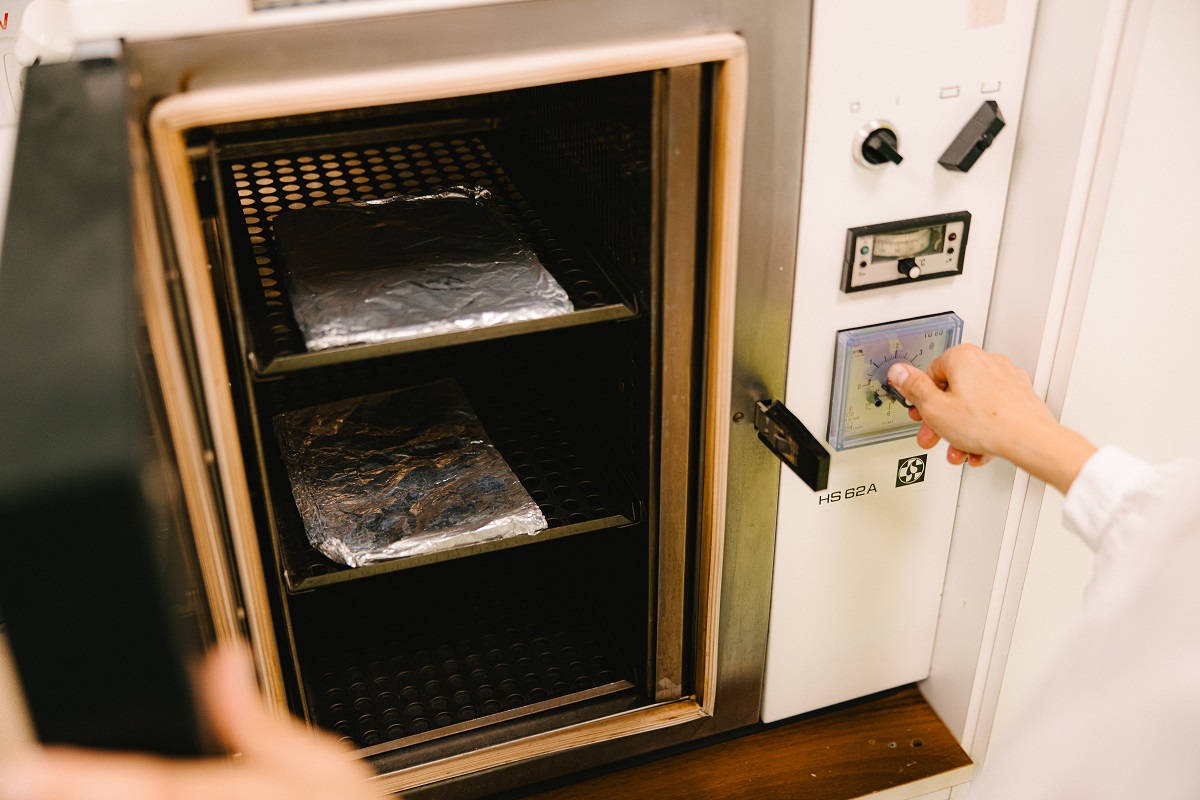
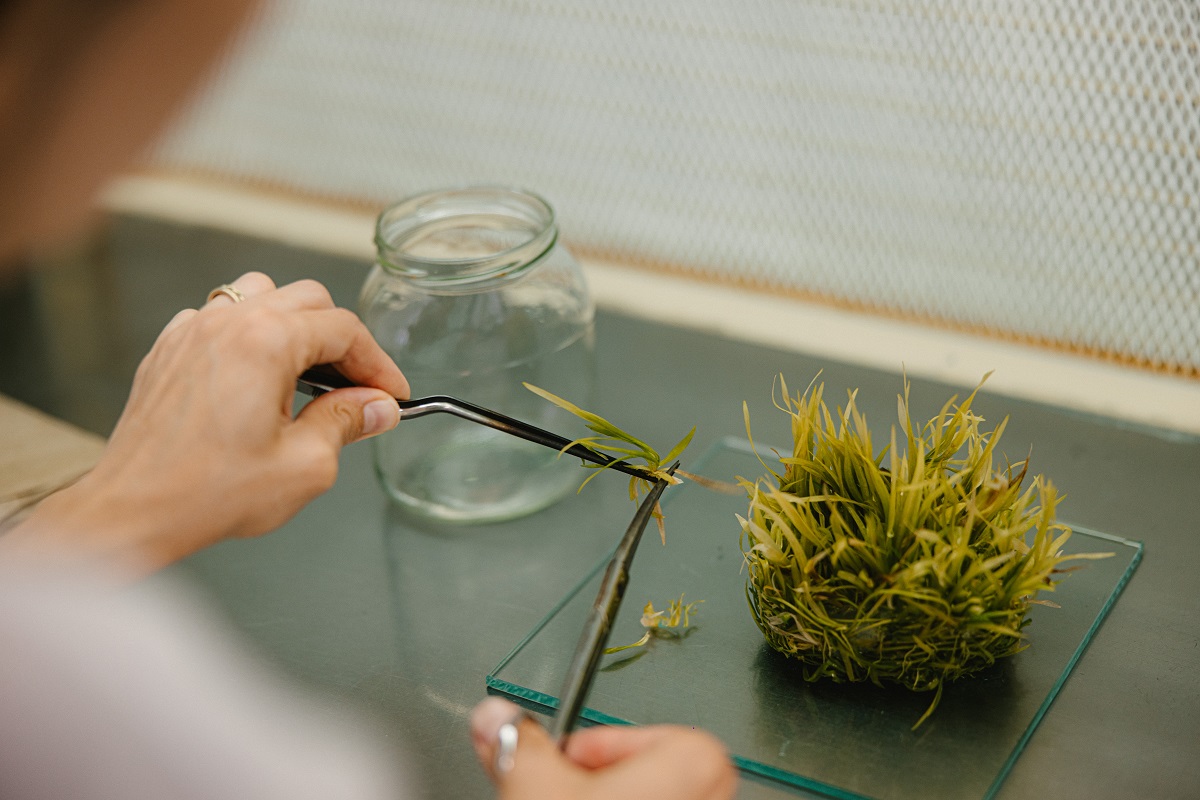
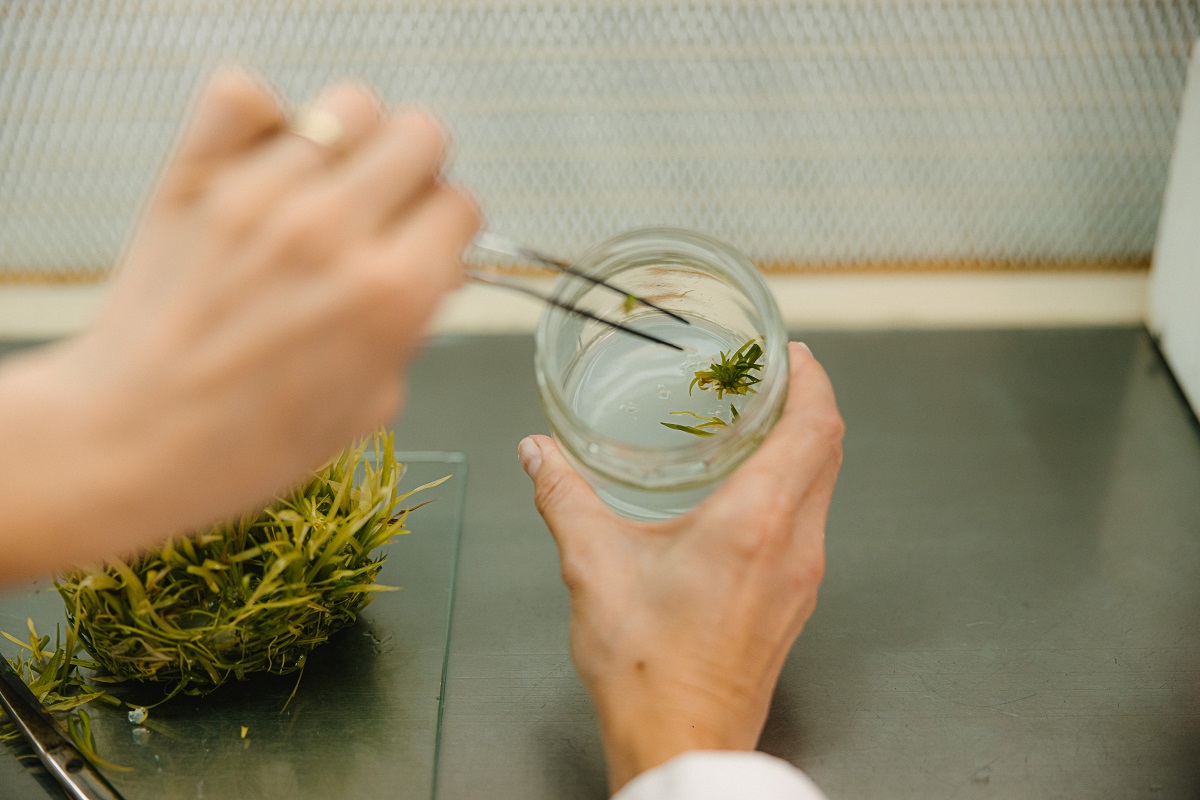
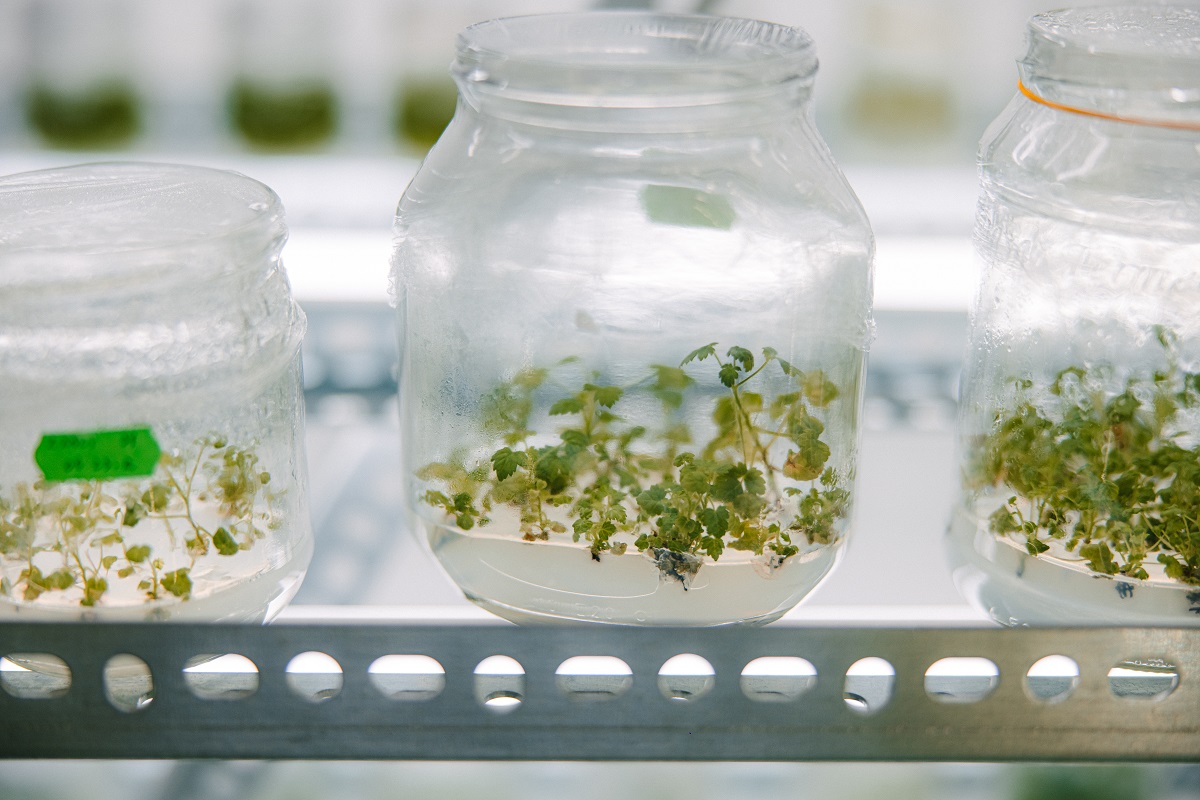
In vitro micropropagation is a modern, tissue-culture-based method of plant propagation. Small, healthy plant tissue fragments (shoot tips, buds, leaf segments) are cultured on sterile, nutrient-rich growth media under controlled temperature, light, and humidity conditions in a laboratory setting. The process runs through several stages: sterilization and introduction of the starting material (explant), multiplication cycles, rooting, and finally gradual acclimatization in a greenhouse until the young plants are ready for open-field or covered cultivation. Under an initial cooperation agreement, we undertake the in vitro propagation of specific plant species and varieties for our clients, producing and delivering a pre-agreed quantity of plants. The contract specifies the variety to be propagated, the required number of plantlets, the delivery deadline, and the quality requirements (health status, genetic identity). This gives clients a predictable, plannable supply of plant material.
- Fast, large-scale propagation – large quantities of genetically identical plants can be produced in a short time
- Pathogen- and virus-free material – the strictly sterile environment excludes soil-borne pathogens, fungi, and most viruses
- Year-round production – propagation takes place under controlled conditions, independent of weather and season
- Access to rare or hard-to-propagate species – plants that are difficult or impossible to multiply by conventional methods can be efficiently propagated in vitro
- Space efficiency – large amounts of starting material can be maintained and multiplied in a relatively small laboratory area